
Brussels, 8 November 2022
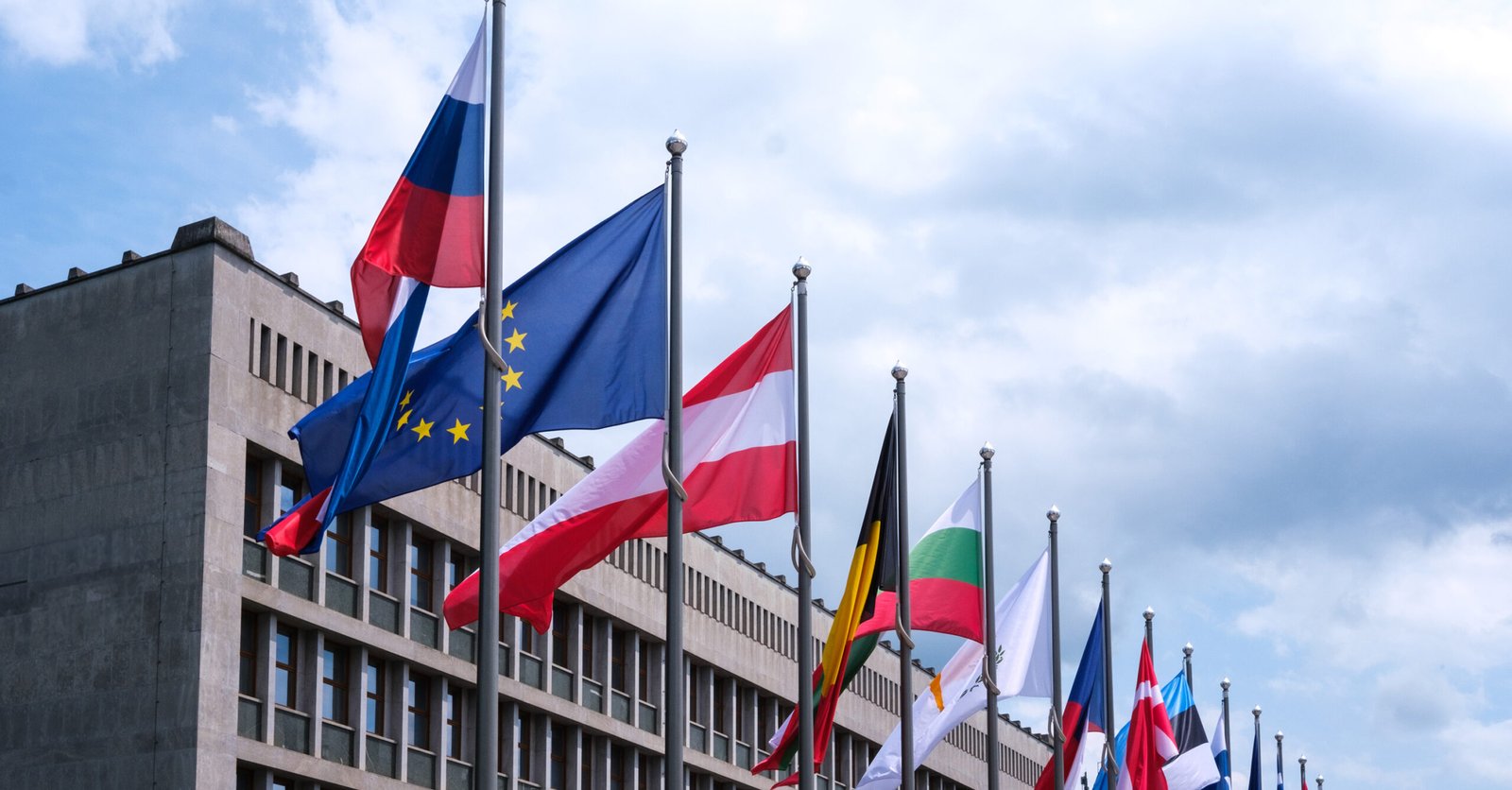
Primary Food Processors (PFP) held its 2022 Forum in Brussels under the theme “Rising to the Challenges of Climate Change and Energy Supplies”, bringing together policymakers, industry representatives and energy experts to discuss the growing pressures facing Europe’s food processing industries.
The discussions focused on the impact of climate change, energy supply instability, industrial decarbonisation and the long term resilience of Europe’s food and agricultural value chains.
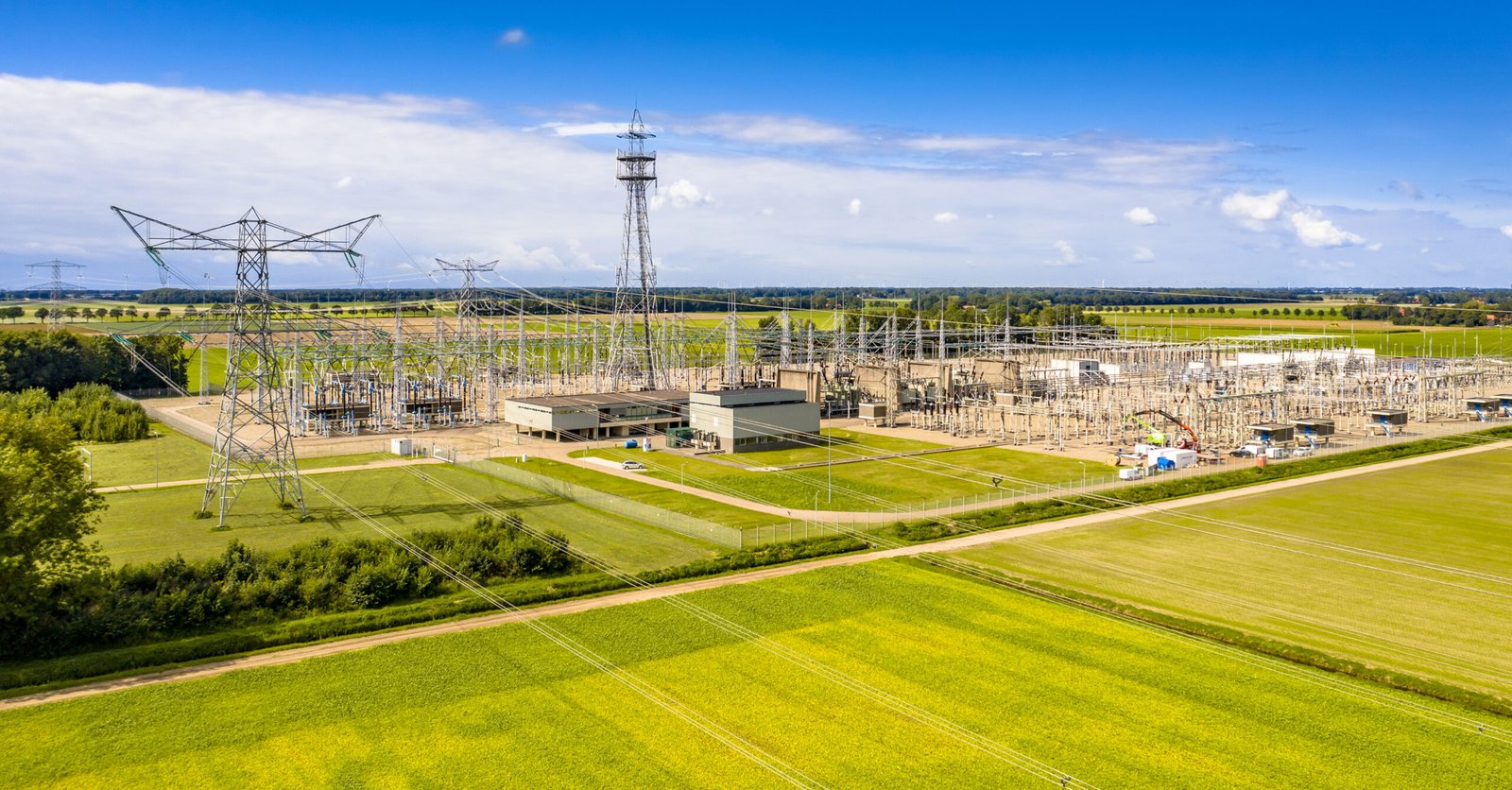
Participants highlighted how rapidly increasing energy prices, driven by post pandemic market conditions and Russia’s invasion of Ukraine, have created major challenges for industrial operators across Europe. At the same time, food processors are expected to continue investing in decarbonisation while maintaining production and ensuring food security.
The forum also addressed the growing impact of climate change on agricultural production and the challenges farmers face in meeting sustainability objectives while maintaining productivity and competitiveness.
PFP stressed that the ongoing energy crisis required urgent action to protect industrial activity and food production across the European Union. The organisation called for affordable energy access, financial support measures, secure energy supplies and policies that safeguard food processing capacity during periods of market disruption.
Looking beyond short term measures, the organisation emphasised the need for supportive regulatory frameworks, increased investment in industrial decarbonisation and greater support for renewable energy solutions that reduce dependence on imported fossil fuels.
PFP also highlighted the important role of biomass residues in supporting industrial decarbonisation. According to the organisation, primary food processing facilities should be allowed to generate energy from biomass residues as part of a broader transition towards lower carbon industrial operations.
The forum concluded that supportive regulation, public investment and long term policy certainty will be critical to achieving climate objectives while maintaining Europe’s food security and industrial competitiveness.
PFP President Huub Scheres warned that, if not properly managed, the energy crisis could significantly delay the sector’s decarbonisation efforts and increase pressure on food production systems. He emphasised the need for stronger public support and a policy framework that enables continued investment in sustainable industrial transformation.
The forum featured contributions from representatives of the European Commission, COPA COGECA, COGEN Europe, the energy policy community and the primary food processing industry.
PFP brings together the European Committee of Sugar Manufacturers (CEFS), the European Cocoa Association (ECA), the European Flour Milling Association (European Flour Millers), the European Vegetable Protein Association (EUVEPRO), the European Vegetable Oil and Proteinmeal Industry (FEDIOL), and the European Starch Industry Association (Starch Europe).
PFP members process approximately 220 million tonnes of raw materials and employ more than 120,000 people across the European Union.