
PFP welcomes the initiative to develop an EU Vision for Agriculture & Food and supports a holistic approach that strengthens dialogue and collaboration across the agrifood value chain. The organisation stresses the importance of ensuring coherence between the future EU food strategy and the Clean Industrial Deal, particularly for industries processing agricultural products.
PFP also welcomes the establishment of the European Board on Agriculture and Food (EBAF) and expressed willingness to contribute as a stakeholder representative.
PFP industries rely on a stable supply of safe, high quality European agricultural raw materials at competitive prices. Supporting European farmers is therefore essential for the sustainability of the entire agri-food chain. PFP advocates for a comprehensive value chain approach that increases farmers’ living standards while maintaining the economic sustainability of the processing sector.
Successive real term cuts to the CAP budget, administrative burden, fragmented compliance rules, the need for proactive market management and the potential impacts of EU enlargement to Ukraine remain important concerns. PFP therefore recommends increasing the CAP budget in line with inflation, reducing administrative burdens for farmers, strengthening market management mechanisms and conducting robust impact assessments regarding Ukraine accession.
PFP considers global trade an essential component of food security and resilience while stressing the importance of maintaining a level playing field for EU producers. The organisation supports the promotion of high EU social, environmental and food safety standards globally, including stronger alignment through Codex and WTO compliant measures.
PFP also highlights that border tariffs remain important for protecting strategic EU agri-food production against imports produced under lower standards.
Primary food processing facilities face many of the same decarbonisation challenges as heavy industry. PFP calls for a market based and harmonised framework that rewards carbon reduction and carbon removals.
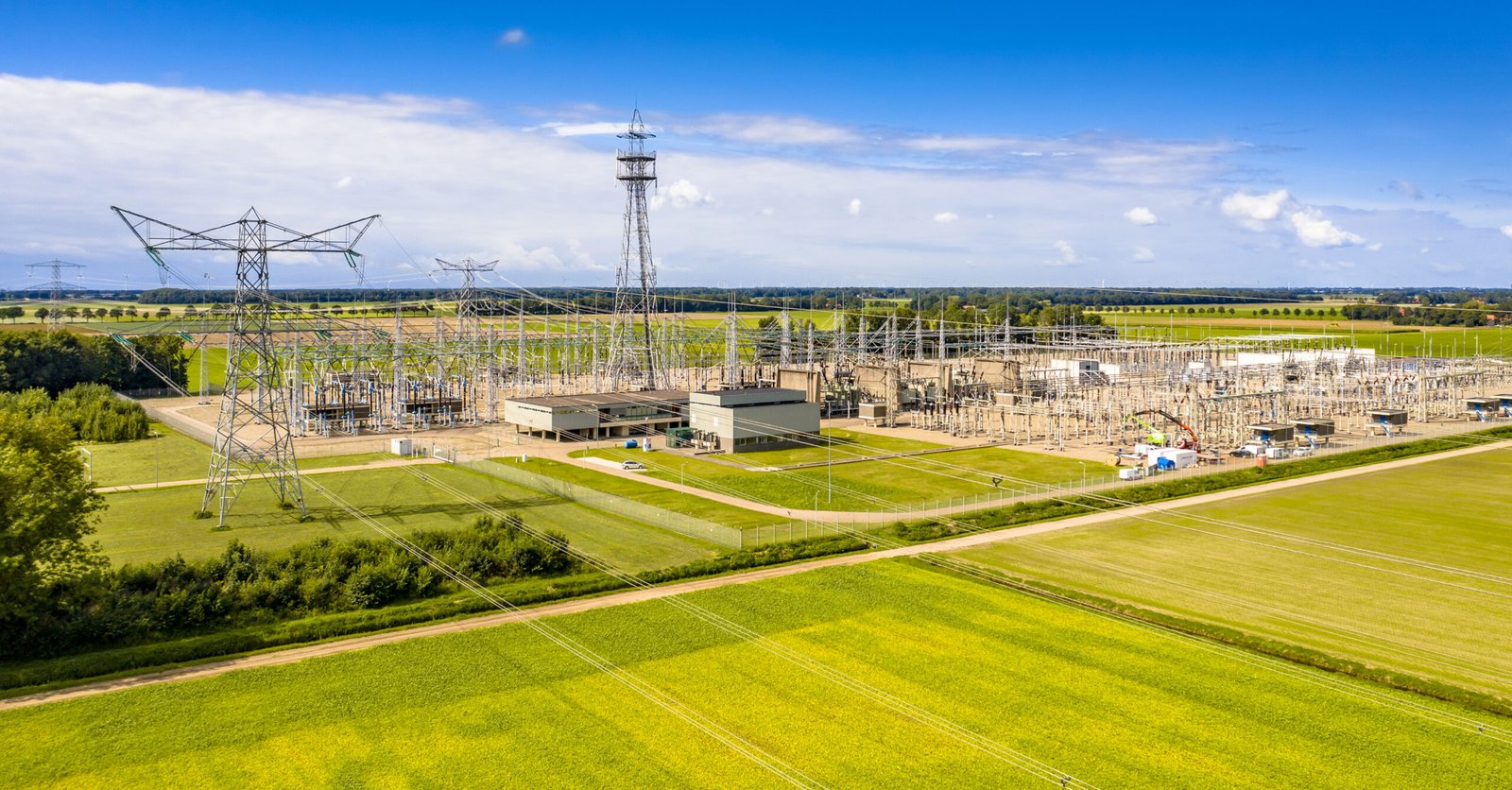
Process electrification remains essential for reducing emissions but continues to face barriers including high electricity prices, insufficient infrastructure and lengthy permitting procedures. Access to long term competitive electricity pricing, accelerated grid expansion, simplified permitting and reduced energy levies will all be necessary to support industrial transformation.
The energetic use of primary food processing residues represents another important pathway for carbon reduction and renewable energy development. This approach aligns closely with the objectives of the Clean Industrial Deal and RED III sustainability requirements.
PFP also stresses that current EU funding programmes focus too heavily on innovative technologies while many primary food processing decarbonisation pathways depend on mature technologies. Greater support for both CAPEX and OPEX, together with funding for mature decarbonisation solutions and the creation of a European competitiveness fund, would significantly accelerate progress.
PFP further calls for the Industrial Decarbonisation Accelerator Act (IDAA) to fully address the needs of energy intensive primary food processing industries and avoid overlooking their strategic importance within Europe’s industrial ecosystem.
The organisation advocates for stronger accessibility to knowledge, technological innovation and research investment throughout the agri-food value chain. This includes strengthening the European Protein Strategy, supporting an ambitious Bioeconomy Strategy revision, promoting greater valorisation of food and non-food synergies and expanding opportunities for bio-based products and green chemistry.
PFP also stresses that agricultural yields and sustainability require farmers to have access to a full toolbox adapted to their crop and region. This includes proportionate legislation for New Genomic Techniques, science based food safety regulation, wider adoption of digital and AI powered agriculture and carbon markets that complement rather than replace CAP direct payments.