Brussels, 8 September 2022
Copa Cogeca, Primary Food Processors (PFP) and FoodDrinkEurope jointly warned that rapidly rising energy prices and extreme weather events were creating unprecedented pressure on Europe’s agri food sector and threatening the continuity of food production across the European Union.
Ahead of the Extraordinary Energy Council meeting and the European Commission President’s annual State of the Union address, the organisations highlighted the growing economic pressures affecting farmers, food manufacturers and primary food processors throughout the food supply chain.
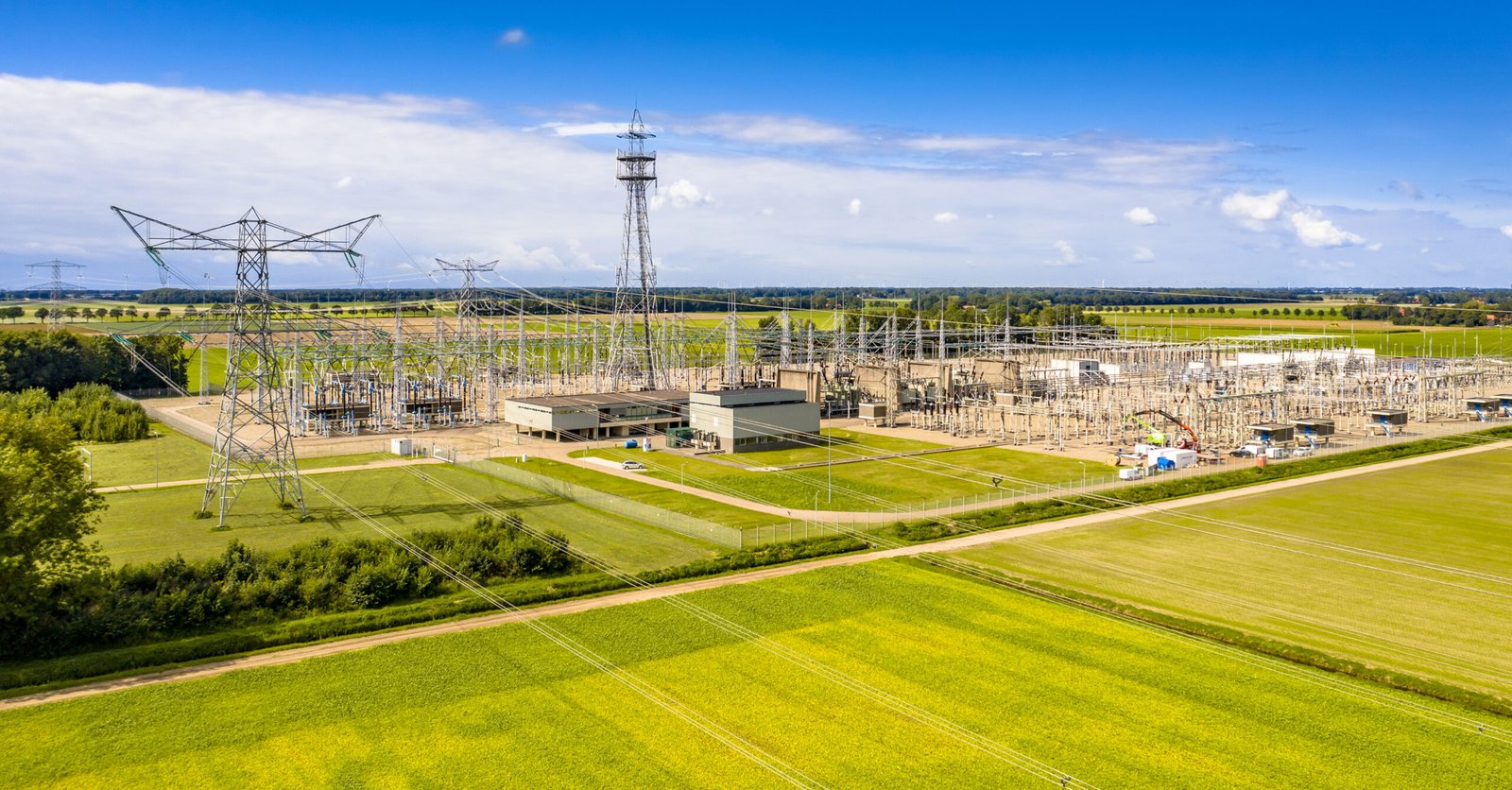
According to the joint statement, the sector is facing simultaneous pressures from inflation, supply chain disruption, geopolitical instability and climate related production challenges. Energy intensive food production facilities have been particularly affected by unprecedented increases in natural gas and electricity prices.
The organisations also pointed to rising costs for fertilisers, transport fuels, packaging materials and labour, all of which were contributing to growing financial pressure across the food chain.
These challenges intensified following Russia’s invasion of Ukraine, which significantly worsened energy market volatility, disrupted agricultural markets and increased uncertainty throughout global supply chains.
The statement also highlighted the growing impact of climate change on agricultural production. Severe drought conditions affected large parts of Europe during 2022, reducing crop yields and increasing concerns regarding future food production capacity. Forecasts at the time indicated significant reductions in grain maize, soybean and sunflower production compared with historical averages.
According to the organisations, the combined effects of rising costs and declining agricultural output were creating serious risks for industrial operations, food affordability and long term food security.
The associations warned that some companies were increasingly facing difficult choices between reducing production, suspending operations, laying off staff or absorbing unsustainable financial losses.
To address the crisis, the organisations called on the European Commission and Member States to take urgent action to reduce energy prices, improve market liquidity, strengthen energy security, diversify energy supplies and accelerate investment in sustainable energy generation.
They also requested that the agri food sector be prioritised within national gas rationing plans and called for further improvements to the Temporary Crisis Framework to ensure that businesses could access support more effectively during the crisis.
The organisations reaffirmed their commitment to working with European institutions to maintain a continuous supply of affordable, safe and high quality food products, just as the sector had done during the COVID 19 pandemic.
PFP members process approximately 220 million tonnes of raw materials and employ more than 120,000 people across the European Union.